
Tropical terrestrial snake
Boa constrictor
Boa constrictor
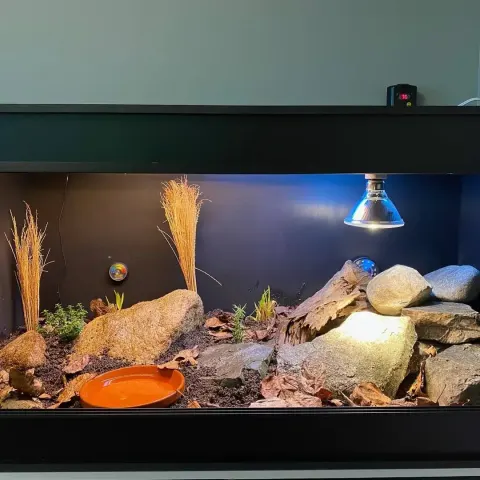
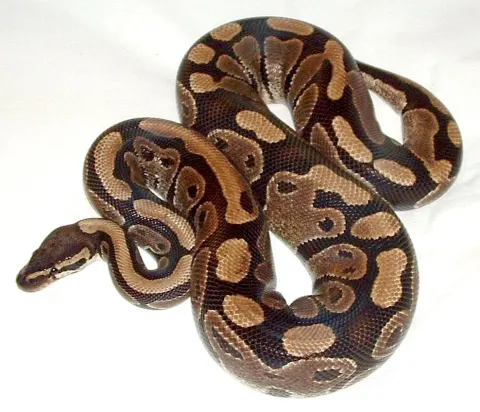
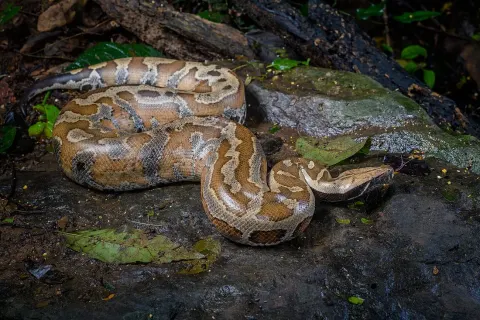
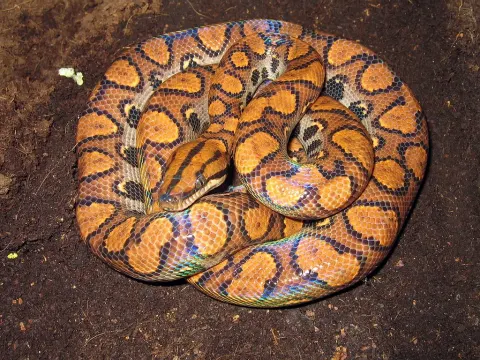
Kept the same way as the ball python, blood python and Brazilian rainbow boa, so they share one kit: the same heat, light, and humidity, sized to the animal.
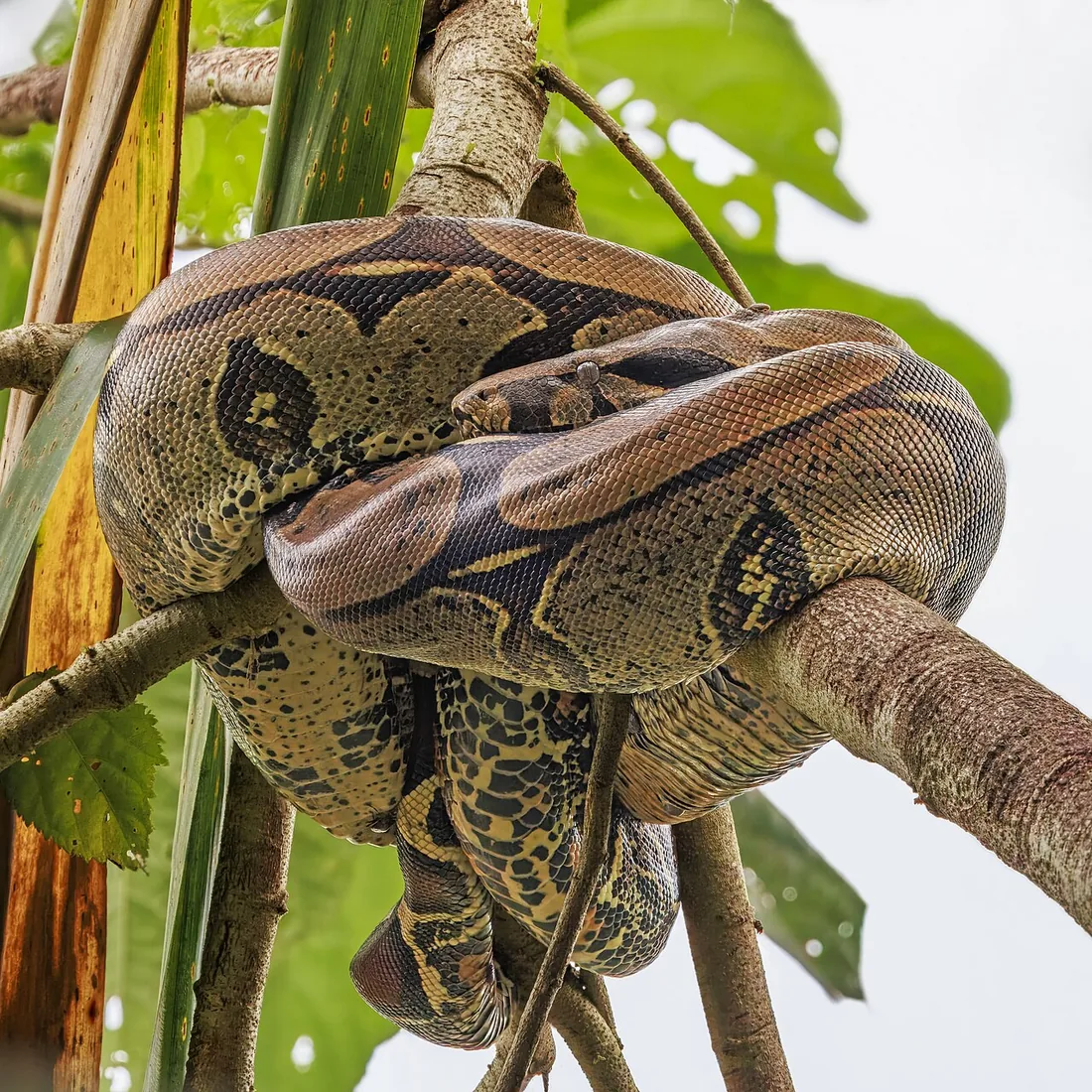
Care sheet
What it needs
We have taken these figures from published sources and are still checking them against our own experience. Treat them as a guide, and ask us before you buy.
- Basking surface
- 32 to 35°C Measured on the surface the animal lies on, not in the air.
- Daytime air
- 24 to 29°C The cool end, away from the lamp.
- Night air
- 21 to 27°C
- UV index at the basking spot
- 1.1 to 3 Zone 2. Partial sun or occasional basker, thermoregulator
- Humidity
- 50 to 70%
- Daylight hours
- 13 h in summer, 11 h in winter
- Winter
- Cooling A cooler period: activity and feeding drop, but the animal stays awake.
- Where it lives
- Leaf litter, Forest floor, Foliage or shrubs, Semi-arboreal
- Adult length
- 100 to 400 cm
- What it eats
- Carnivore
- When it is active
- Nocturnal
- How it lives
- Semi-arboreal
- Typical captive life
- 30 years
- Longest recorded life
- 40 years A record from the literature, not what to expect. Most animals live well short of it.
Our reading of the literature, not veterinary advice. Animals vary, and so do rooms, so take these figures, and any setup the builder puts together, as a starting point, and ask a reptile vet about your own animal. Where the figures come from.
From the catalogue
Gear that suits a boa constrictor
Chosen for tropical terrestrial snake. The setup builder puts the whole kit together, sized to the animal, with the reason for each piece.
-
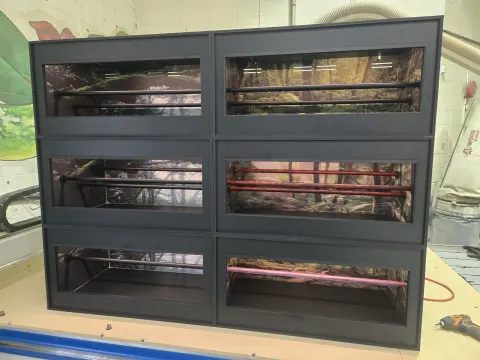
Cornel's World
3' x 2' x 18" PVC Reptile Enclosure (36" x 22" x 18") – Durable PVC Cage
From $360.00
Made to order · 4 options
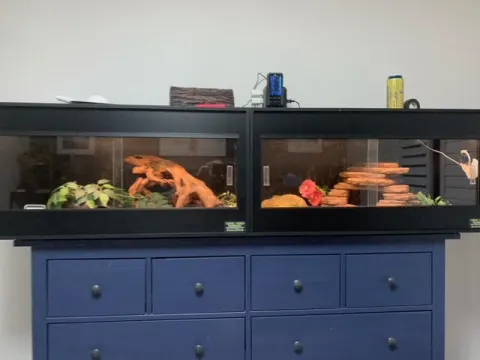
Cornel's World
8' x 2' x 2' PVC Reptile Enclosure – Split or Full-Length PVC Cage
From $880.00
Made to order · 8 options
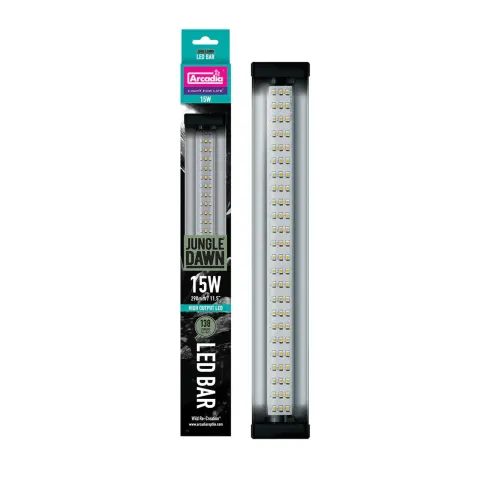 Sale
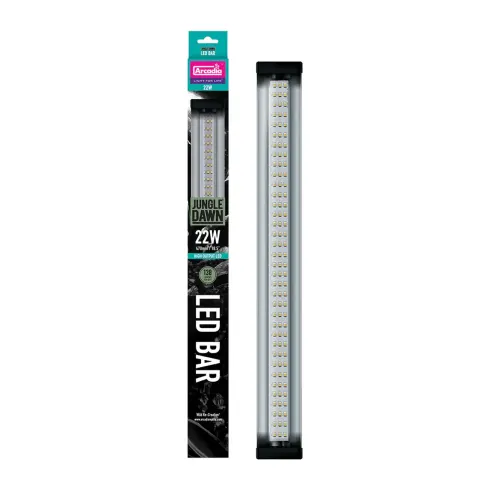 Sale
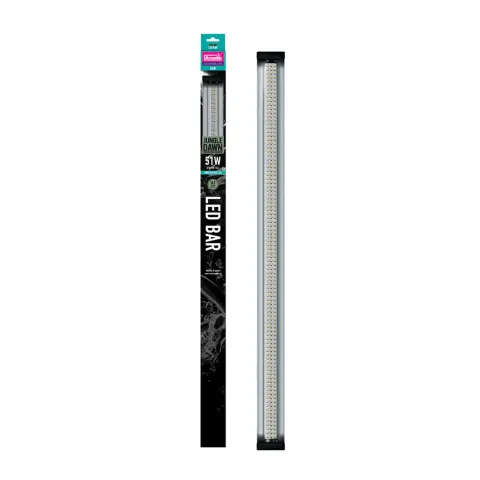 Sale
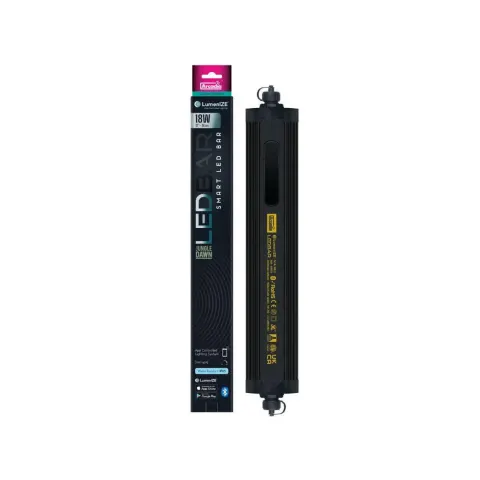
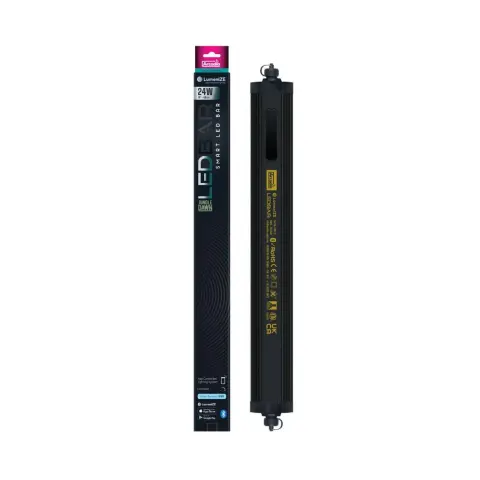

Where it comes from
Colombia (Valle del Cauca), Venezuela (Merida [HR 27: 88], Isla Margarita), Guyana, French French Guiana, Suriname, Peru (Pasco etc.), Bolivia, Brazil (Amapá, Pará, Rondonia, Roraima, Bahia, Sergipe, RO, Amazonas, Pará, Pernambuco, Paraíba, Distrito Federal, São Paulo, Rio de Janeiro, Paraná, Piauí, Mato Grosso, Goiás, S Ceará, Rio Grande do Norte), Argentina, Paraguay Trinidad, Tobago, Antilles, e.g. Martinique, Aruba (introduced); Antigua (sub-fossil only), elevation (Honduras): 0-1370 m USA (introduced to Florida) amarali (invalid): SE Bolivia (Beni), S Brazil (S Mato Grosso, Goias, Mato G
Breeding: ovoviviparous; Booth et al. (2010) provide evidence for parthenogenesis in B. constrictor.
Where the figures come from
- Exo Terra, 'Understanding Ferguson Zones', with the Arcadia UV Index guide list Exo Terra.
- Chicago Exotics Animal Hospital, 'Boa Constrictor Care' Chicago Exotics Animal Hospital.
- PetMD, 'Pet Boa Constrictor Care Sheet', by Maria Zayas DVM, published 18 Aug 2023 PetMD.
- ReptiFiles, 'Boa Constrictor Care Guide' ReptiFiles.
- www.junglepark.es
- nationalzoo.si.edu
- animaldiversity.org
- reptifiles.com
- www.beardsleyzoo.org
- reptilesmagazine.com
- Petmd.com
- The Reptile Database Uetz P, Freed P, Aguilar R, Reyes F, Hosek J (eds.).
- AnAge: the Animal Ageing and Longevity Database (build 15) Human Ageing Genomic Resources, de Magalhaes JP et al.
- Cornel's World inventory and shopping-by-animal document Cornel's World Reptile Supplies.
- How much UV-B does my reptile need? The UV-Tool, a guide to the selection of UV lighting for reptiles and amphibians in captivity Baines FM, Chattell J, Dale J, Garrick D, Gill I, Goetz M, Skelton T, Swatman M. Journal of Zoo and Aquarium Research 4(1): 42-63.
- Animal Diversity Web University of Michigan Museum of Zoology.