

Vivarium Electronics
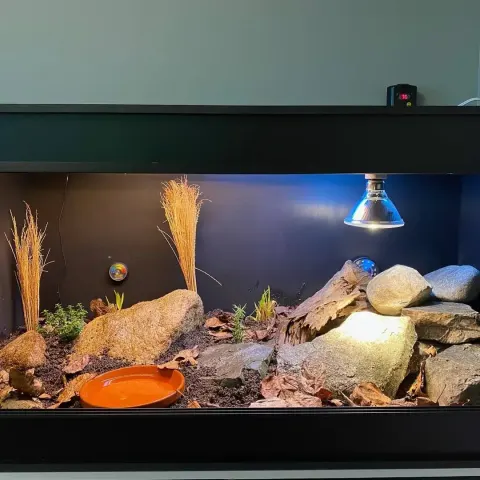
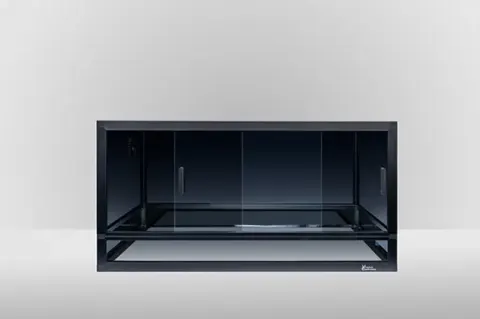
Vivarium Electronics 4' x 2' x 2' Aluminum Frame Bioactive PVC Reptile Enclosure – Sliding Glass Doors – Flat Pack
$649.99
Only 1 left
Built in Calgary since 2000 Shipping across Canada and the USA Free local pickup
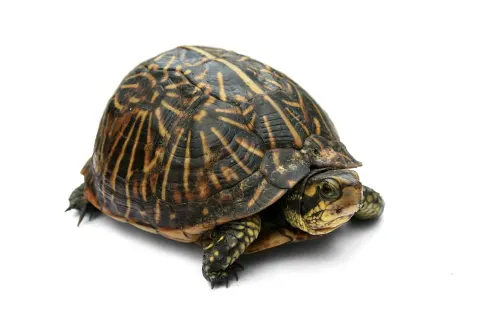
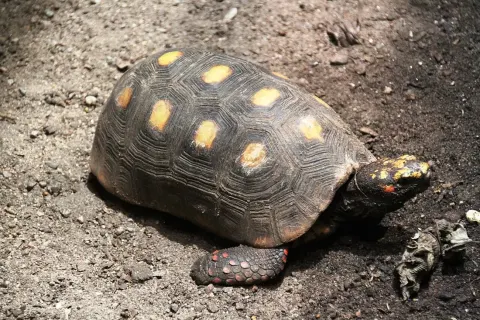
Tortoise and box turtle
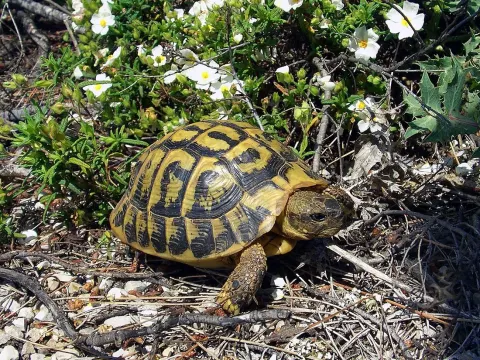
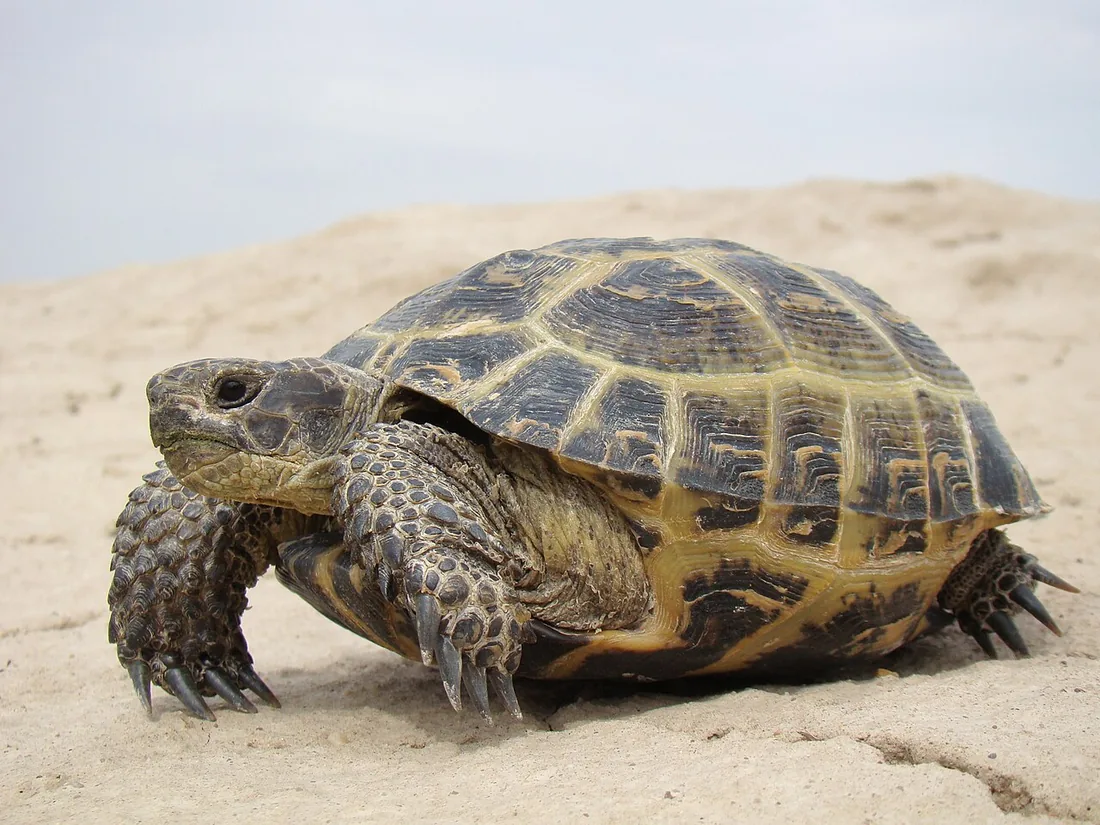
Testudo horsfieldii
Kept the same way as the box turtle, red-footed tortoise and Hermann's tortoise, so they share one kit: the same heat, light, and humidity, sized to the animal.
We are still putting together the setup for a Russian tortoise. Ask us and we will help you choose, or start with the gear below.
Care sheet
We have taken these figures from published sources and are still checking them against our own experience. Treat them as a guide, and ask us before you buy.
Our reading of the literature, not veterinary advice. Animals vary, and so do rooms, so take these figures, and any setup the builder puts together, as a starting point, and ask a reptile vet about your own animal. Where the figures come from.
From the catalogue
Matched to its size and care by the catalogue, not yet checked by us. Ask before you buy.
Vivarium Electronics
$649.99
Only 1 left
Cornel's World
From $775.00
Made to order · 8 options
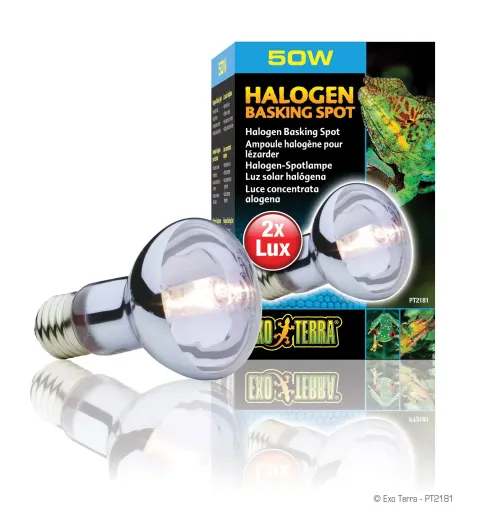
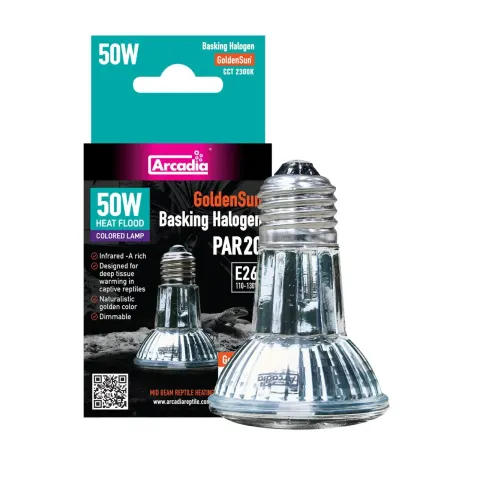
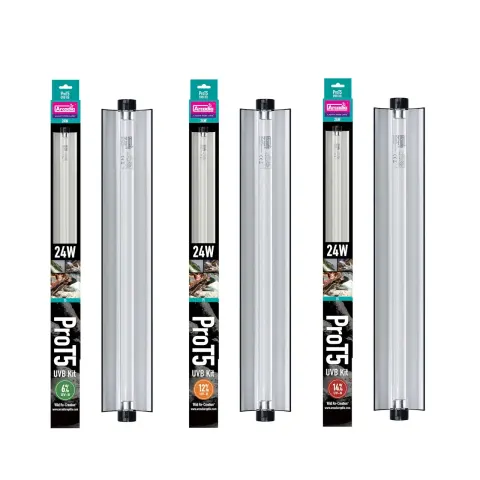
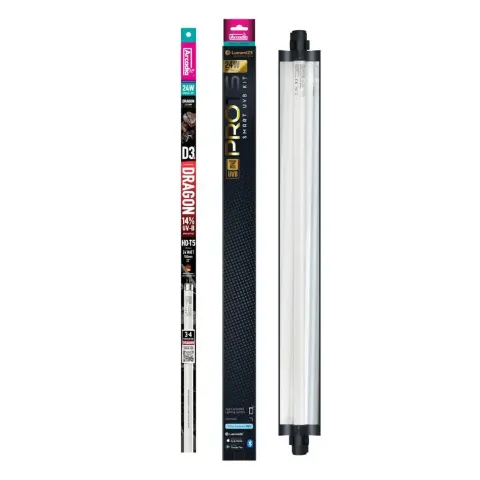
Where it comes from
S Kazakhstan, Kyrgyzstan, Tajikistan, Turkmenistan, Uzbekistan, N/E Iran, Afghanistan, N Pakistan, N/W Baluchistan, NW China (Xinjiang); elevations up to 2400 m (in Afghanistan fide WERNING & WOLF 2007).
Breeding: Lays 2 to 5 eggs a clutch, two to four clutches a season; eggs hatch in about 61 to 75 days at 30 to 31 °C.
Where the figures come from