What is heat tape failure?
Heat tape failure is one of the most common heating issues we see in reptile racks during colder months. As outside temperatures drop, heat tape has to work harder to hold enclosure temperatures, and that is when most failures happen.
Knowing the warning signs can help prevent melted tubs, equipment damage, and injury to your animals.
Quick answer
Warning signs
A plastic or electrical smell while it's running
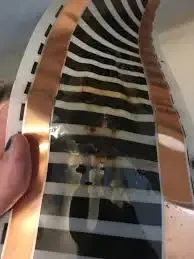
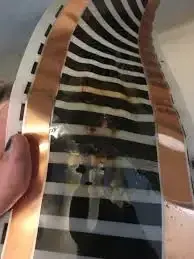
A rippled or uneven texture when you gently feel the tape (when it's safe to do so)
Discolouration, such as darkened sections or brown and black marks
Hot spots, where some areas feel much hotter than others
Softening, bubbling, or deformation of the tape or where it touches the tub
Inspection checklist
Power down safely before handling, when possible. Use common sense and avoid touching live components.
Visual check: look for dark spots, scorch marks, wear, kinks, pinches, or damaged connections.
Smell check: any plastic or burning smell is a red flag.
Feel check, carefully: if the surface feels rippled or warped, replace it.
Check contact points: damage often starts where the tape touches plastic or tubs.
Confirm the thermostat works: check probe placement and that temperatures are stable.
How often to inspect
- Best
- Monthly
- Minimum
- Quarterly
- Most important
- Fall and winter
Catching overheating early can prevent melted tubs, enclosure damage, equipment failure, and animal injury. Heat tape is inexpensive compared to what it protects, and regular inspections with proper thermostat control are the best ways to prevent a failure.
Basement racks
For keepers running racks in basements, we most often see problems start on the bottom row. Our best guess is that the basement slab cools a lot during seasonal temperature drops. When the rack sits right on that colder surface, the heat tape can end up running at higher output for longer just to hold temperature.
Common causes
1. Localized overheating
Heat tape can overheat in one section even when overall temperatures look fine. This is especially common when the hottest area isn't where the probe is.
2. The probe isn't on the hottest spot
Thermostats are essential, but if the probe sits away from the area that runs hottest, a different section can overheat while the thermostat reads safe. Cold basement slabs and seasonal temperature swings can make some zones work harder than others.
3. Restricted airflow or insulation
Anything that traps heat, like tight contact against plastic, blocked airflow, compressed tape, or sandwiched materials, can cause hot spots and overheating.
4. Age and wear
Heat tape is a consumable. Over time it can degrade, especially after overheating events, physical stress, or inconsistent thermostat control.
Prevention tips
Always use a quality thermostat matched to your setup.
Place probes correctly so they read the most critical, hottest area.
Keep tape flat, with no pinching, kinks, overlaps, or compression points.
Inspect wiring and connections and keep them protected from moisture and wear.
Use a GFCI outlet whenever possible for added protection.
Inspect more often during fall and winter temperature swings.
DIY racks and cages
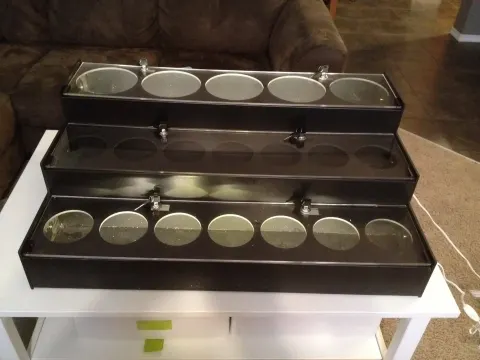
If you're building your own racks or heating setups, installation details matter. Many failures come from friction, restricted airflow, or tape that has been stressed: kinked, pinched, or compressed.
Recess heat tape to reduce rubbing
For racks, we recommend recessing the heat tape so tubs aren't constantly rubbing against the protective laminate. Constant friction can damage the surface over time and create failure points.
If you don't recess, know the trade-off
Roofing flashing can be used as a protective layer, but it can also reduce airflow over the heat tape. Less airflow raises the risk of hot spots, especially when cold weather keeps the tape working hard.
Stacked caging: add airflow
With stacked caging, heat tape often ends up sandwiched between enclosures. We recommend adding small furniture feet or spacers between cages for airflow and to reduce trapped heat.
With spacers or feet in place, heat tape usually works better secured to the underside of the cage, so the heat transfers efficiently while air can still move.
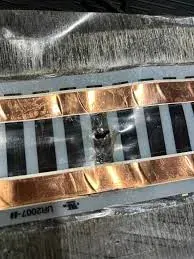
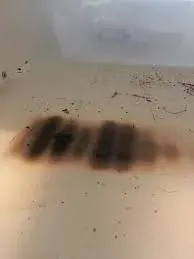
What failure looks like
Here are real examples of what overheating can look like. Use them as a reference when you inspect.
More on safe heating
For more on safe reptile heating and thermostat control, these resources may help:
Heat tape FAQ
A real failure, on video
Heat tape failures can escalate quickly. Here is a real example from the community, shared for education and safety, with credit to its creator.
Should I replace heat tape if it feels rippled?
Yes. Rippling is a common sign the tape has overheated at some point. Replace it rather than risk a failure.
Can heat tape fail even if I use a thermostat?
It can. Thermostats are essential, but failures can happen outside the probe area if a different section becomes the hottest spot. That's why inspection matters.
What thermostat should I use with heat tape?
We recommend a proportional or pulse-proportional thermostat. These regulate output instead of cycling full power on and off like basic thermostats, which can add stress to the tape over time.
How often should I inspect heat tape?
Monthly is best. Quarterly is the minimum we recommend, and fall and winter is the most important time to stay on top of it.
Can I use kinked or bent heat tape if it still works?
We don't recommend it. Kinked or sharply bent areas can develop hot spots and become failure points. If tape has been kinked, replace that section.
Need help? If you're unsure whether your heat tape is safe to keep using, contact us or send a photo. We're happy to review it with you.
Heat tape and proportional thermostats

 Sale
Need replacement heat tape?
Inspect now, replace early, and avoid preventable failures during the cold season.