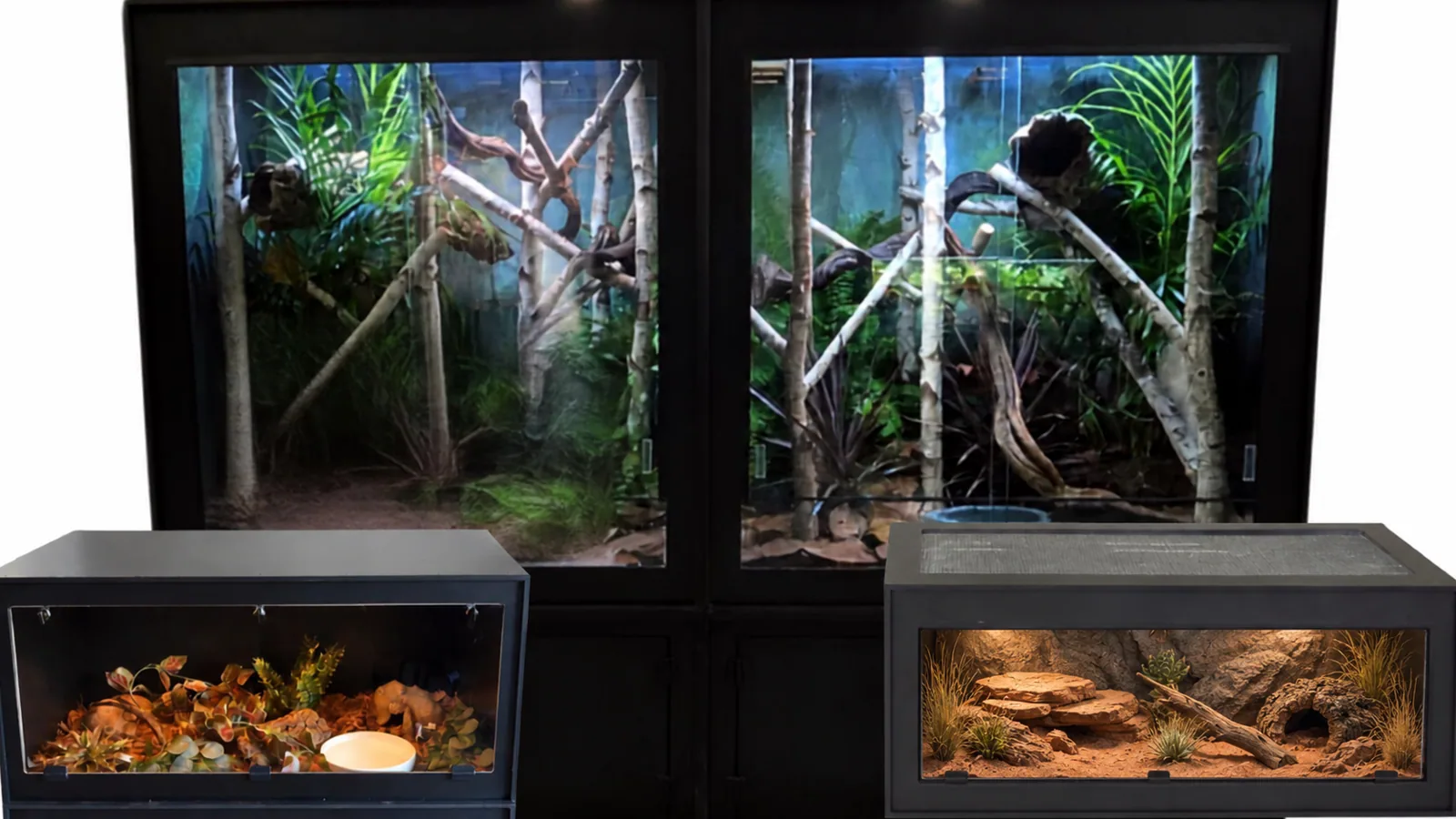
This guide will help you choose the combination that best suits your reptile and your setup.
Litter dams
The front involves two decisions: the height and material of the litter dam, and the style of door. Your choices affect substrate depth, viewing area, cleaning access, and how much of the enclosure opens at once.
The litter dam is the lower front section that keeps loose substrate, bedding, and décor inside the enclosure. A taller dam gives more usable substrate depth, while a shorter or transparent dam gives a more open view.
Standard 3-inch PVC litter dam
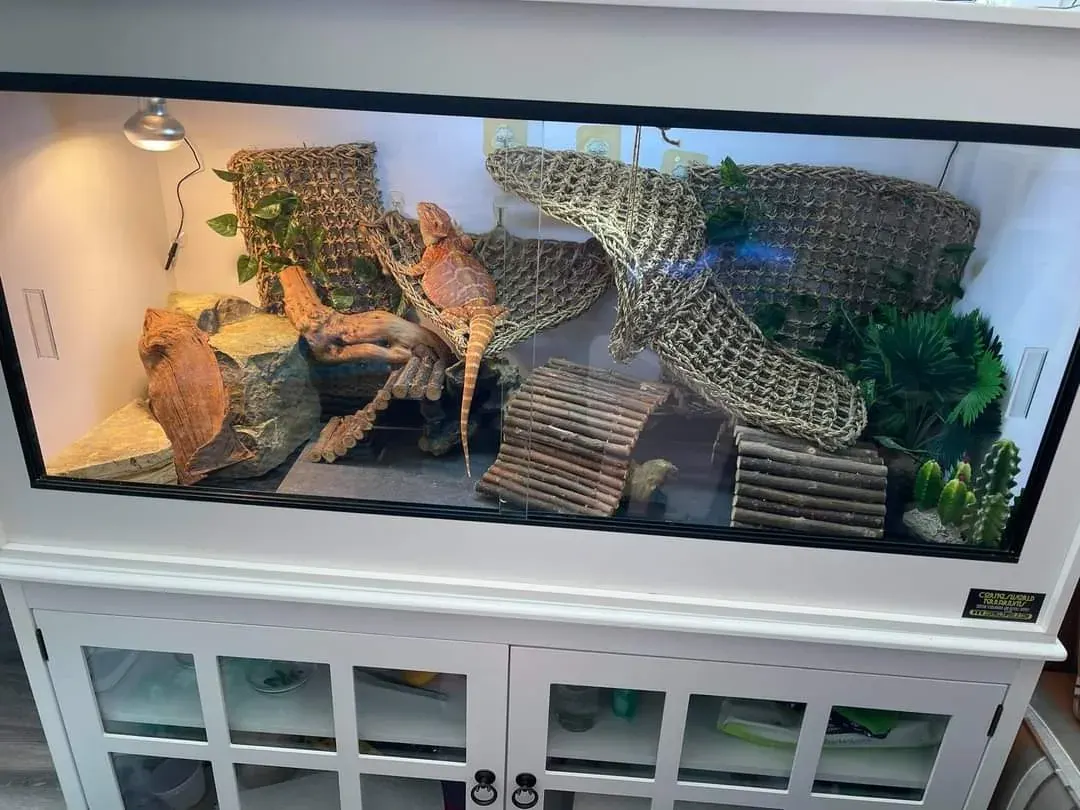
Our standard 3-inch PVC litter dam is the most common choice. It gives enough height for shallow substrate while keeping the front viewing area as large as possible. Usually a good fit for:
Ball pythons, corn snakes, boas, and many other snakes
Paper, liner, tile, or shallow-substrate setups
Keepers who want the most front visibility
6-inch PVC litter dam
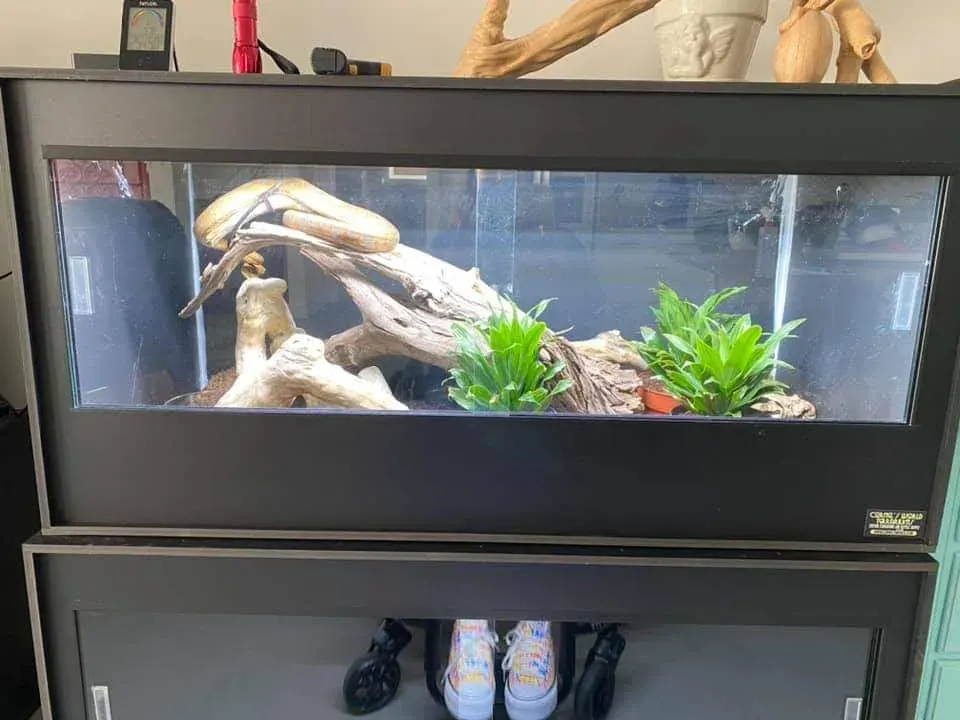
The 6-inch PVC litter dam gives you more room for bedding, plants, drainage layers, and naturalistic landscaping. The taller dam does leave a smaller visible opening at the bottom of the doors. Usually a good fit for:
Burrowing species
Deeper substrate and bioactive-style setups
Naturalistic layouts where holding substrate matters more than a completely open front view
Glass litter dam
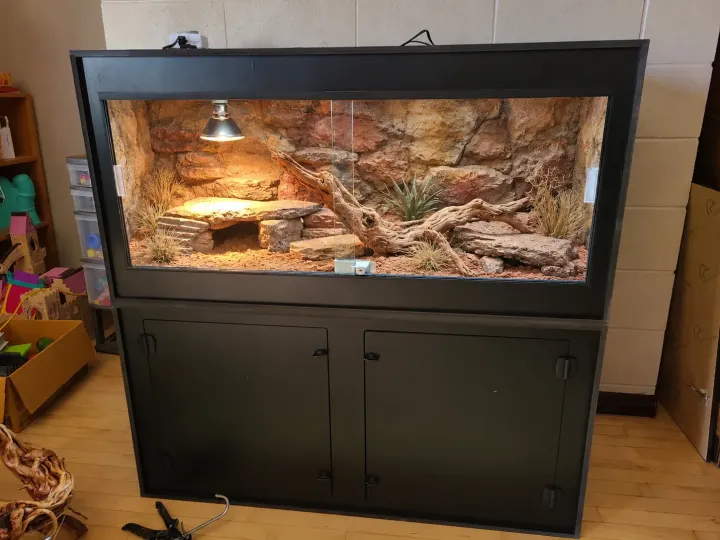
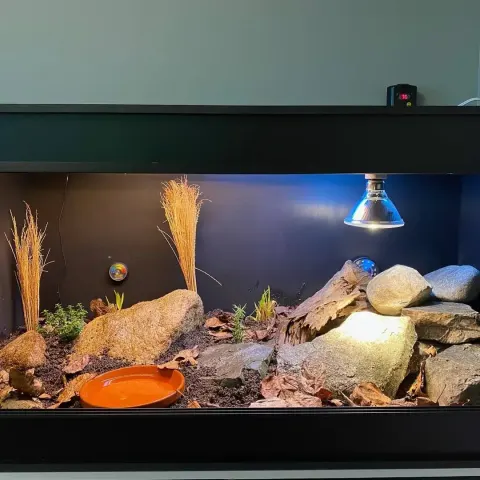
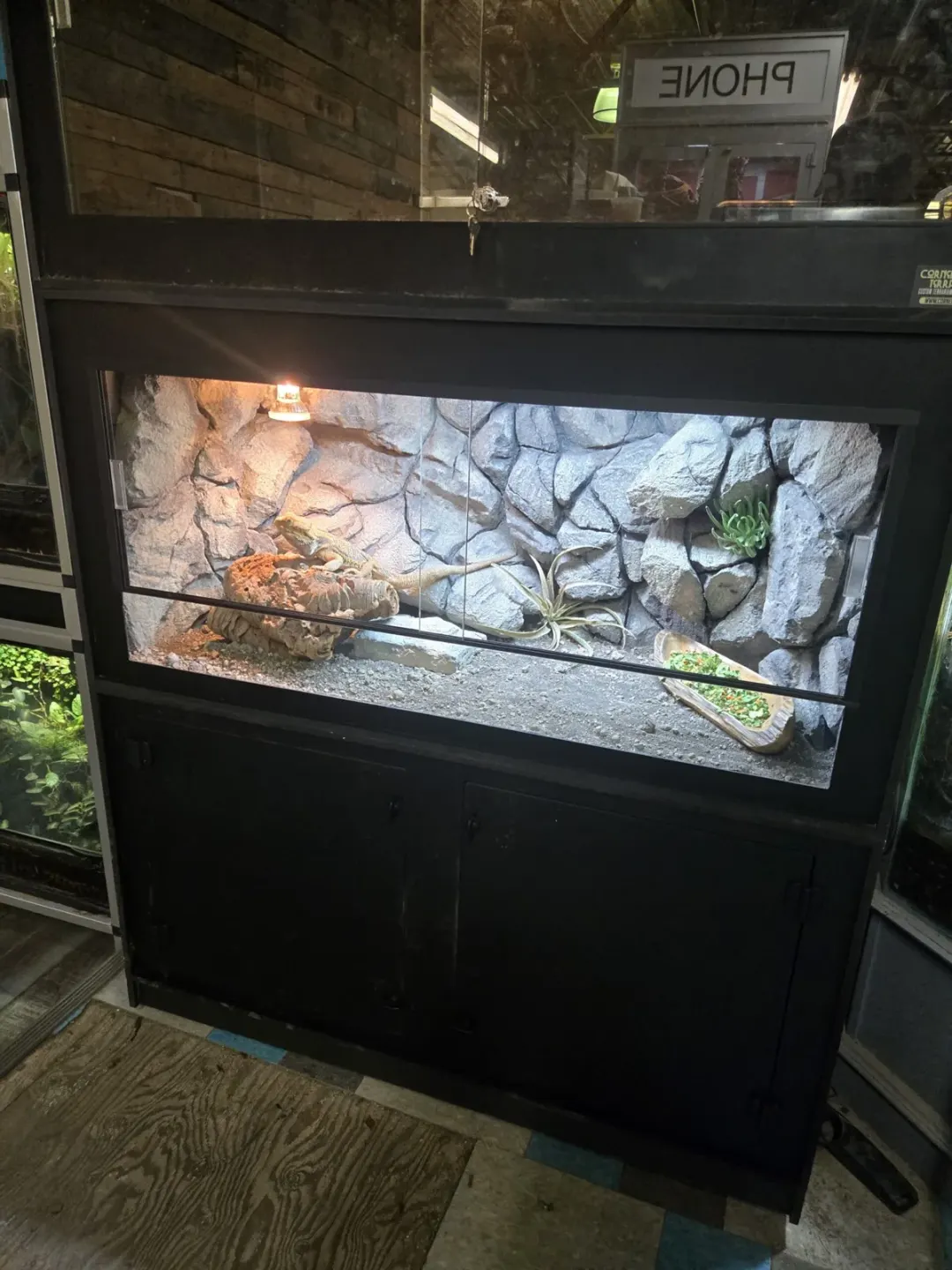
A glass litter dam gives substrate depth without visually closing off the bottom of the enclosure. It's one of our favourite upgrades for display cages, because you see more of the habitat, the décor, and the animal inside. Usually a good fit for:
Display enclosures and naturalistic builds
Bearded dragons and other lizards
Enclosures with rock backgrounds, plants, or detailed décor
Anyone who wants both substrate depth and a more open view
Doors
Sliding glass doors
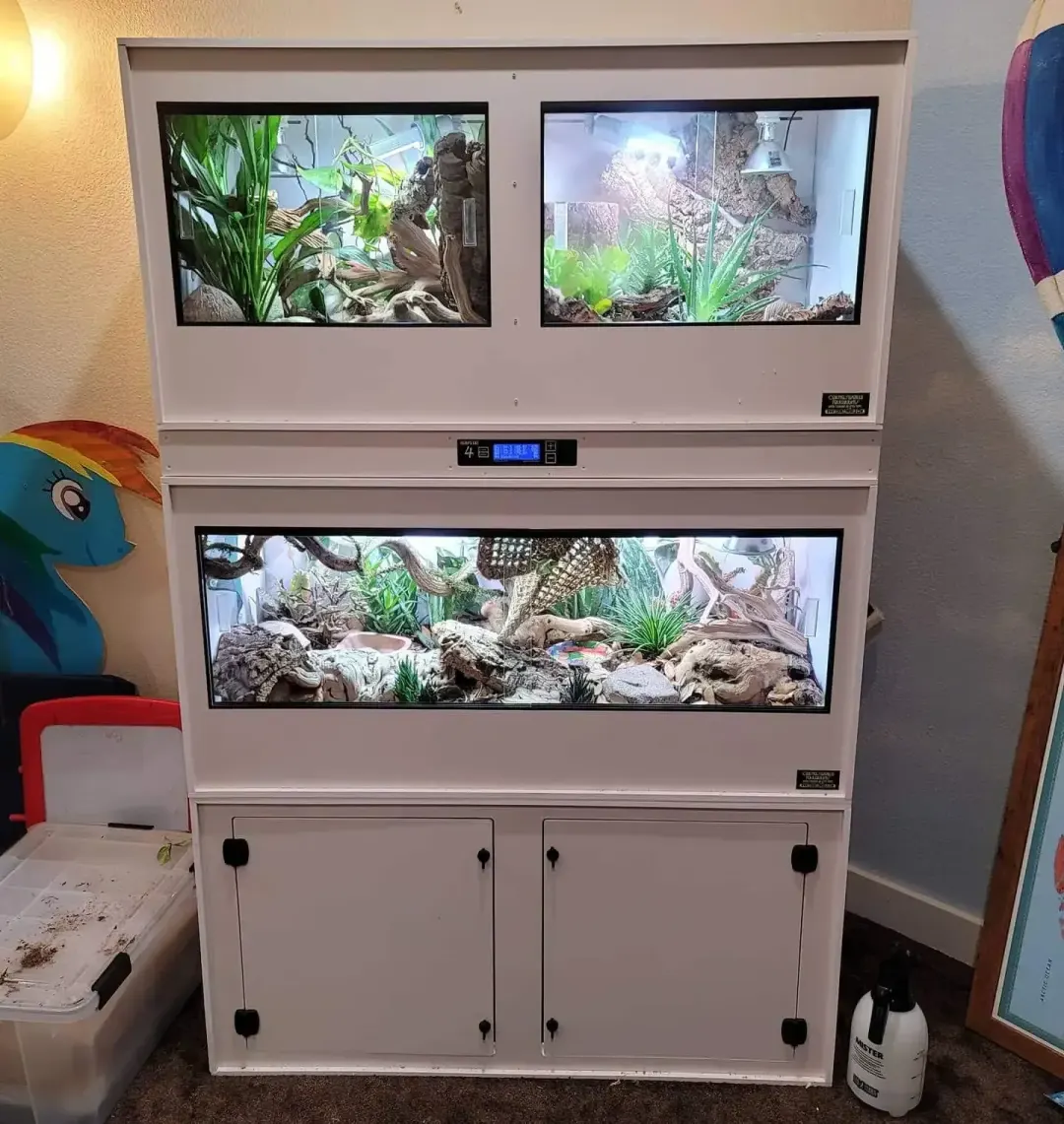
Sliding glass is our preferred door for most PVC reptile enclosures. Glass resists scratching better than acrylic, which matters with lizards and their nails, and you can lift the panels out for deep cleaning.
Because only part of the front opens at a time, sliding doors also make feeding and routine maintenance easier with animals that may try to escape through a fully open front. Why we usually recommend sliding glass:
Better scratch resistance than acrylic
A clean, unobstructed display look
Removable panels for deep cleaning
Only part of the enclosure opens at a time
Suits most snakes and lizards
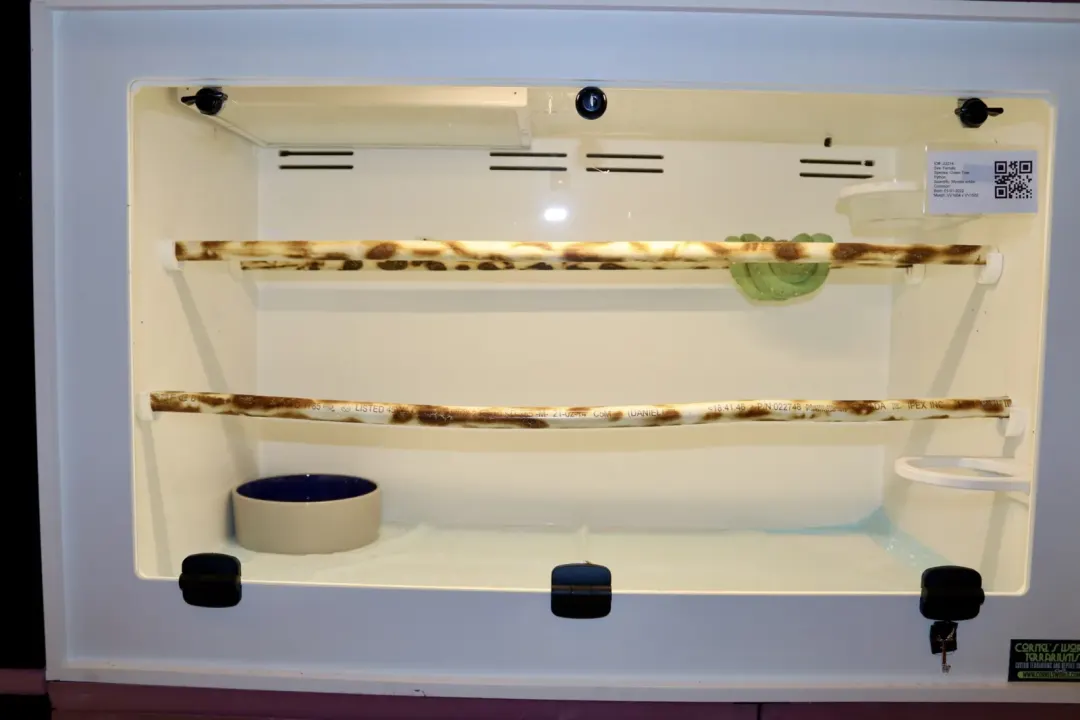
Single swing-down acrylic door
A single swing-down acrylic door opens almost the entire front of the enclosure. Acrylic is lighter than glass, but it scratches more easily over time, particularly with active lizards or animals with nails.
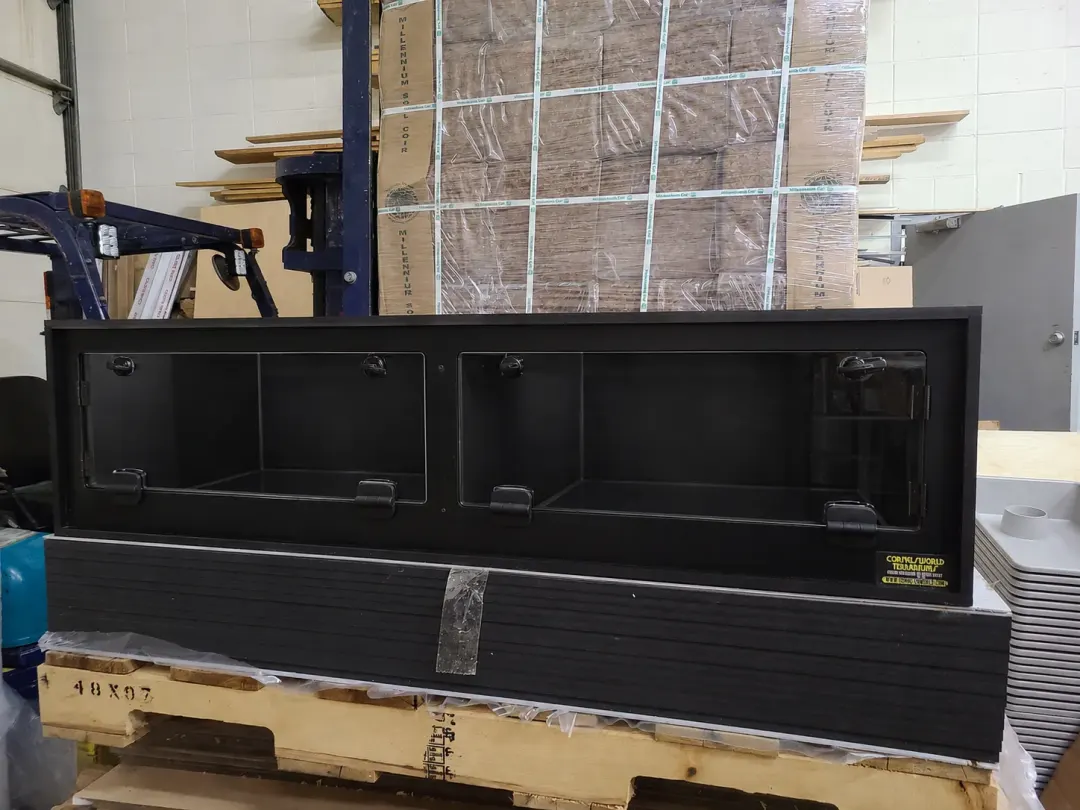
Double swing-down acrylic doors
Double swing-down doors split the opening into two sections. They work well on wider enclosures, divided cages, or builds where you want more controlled access instead of one large opening.
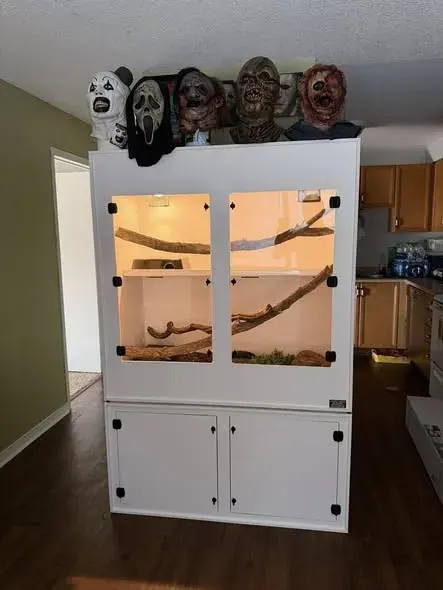
Side-hinged acrylic doors
Side-hinged acrylic doors open outward like cabinet doors and can be a practical choice for tall enclosures or custom layouts. They give generous front access, but you need enough clear space in front of the cage for the doors to swing open.
Solid top or screen top
After the front, the next decision is the top. It affects heat and humidity retention, ventilation, and whether your lighting and heating sit inside or above the enclosure.
Solid PVC top
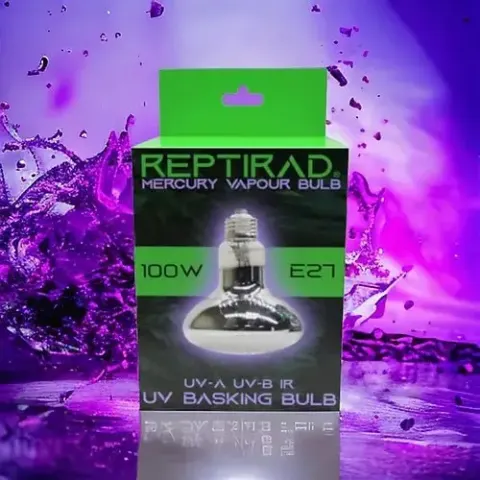
For most reptiles, we prefer a solid PVC top. It helps hold heat and humidity, and it lets you mount suitable heating, lighting, and UVB fixtures inside the enclosure rather than shining them through mesh. Benefits of a solid PVC top:
Better heat and humidity retention
More stable enclosure temperatures
Efficient use of properly sized heat sources
Suitable UVB, basking, and lighting fixtures mounted directly inside
Usually the best all-around choice for a PVC enclosure
Screen top
A screen top can be useful when you want dome fixtures or other equipment to sit above the cage, including fixtures you already used on a glass enclosure. It also gives more airflow when a setup calls for extra ventilation.
A screen top is less efficient, though, because more heat and humidity escape through it. Metal mesh can also reduce the UVB that reaches the animal, so you may need to adjust bulb strength, distance, and placement for the finished enclosure instead of copying a solid-top setup. A screen top may be a good fit when:
You need to place compatible fixtures above the enclosure
More airflow suits the species or the room
You are moving from a glass tank and want to reuse suitable equipment
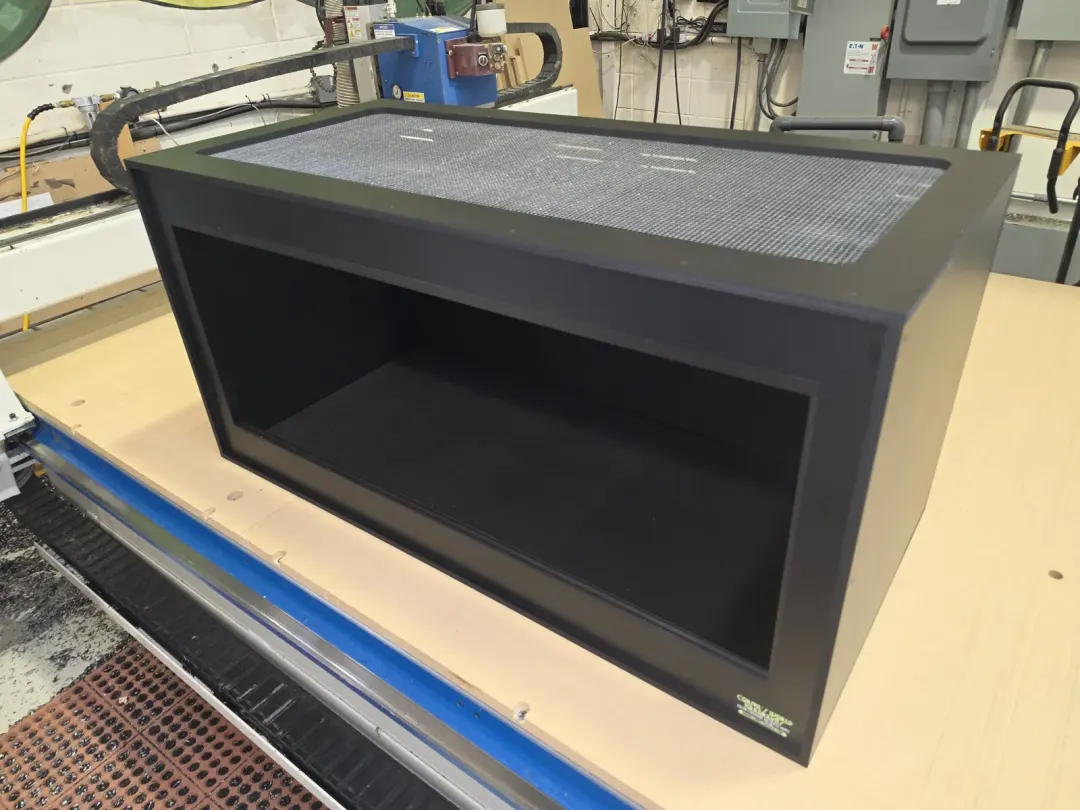
Custom-size screen tops
We don't limit screen tops to our standard enclosure sizes. We can make custom sizes for custom enclosures and for projects that don't use one of our standard sizes, and we can adapt this screen and reinforced PVC perimeter to other dimensions. Contact us with the dimensions and intended use so we can confirm the best construction for your setup.
Quick comparison
Option | Main advantage | Keep in mind | Often chosen for |
|---|---|---|---|
3-inch PVC litter dam | Large front viewing area | Best with shallow substrate | Simple snake setups and liners |
6-inch PVC litter dam | More substrate depth | Reduces the lower viewing area | Burrowing species and naturalistic setups |
Glass litter dam | Substrate depth with a more open view | Only available with sliding glass doors | Display cages and detailed habitats |
Sliding glass doors | Scratch resistance and removable panels | Only part of the front opens at once | Most snakes and lizards |
Hinged acrylic doors | Wide front access | Acrylic scratches more easily than glass | Tall, divided, or custom enclosures |
Solid PVC top | Better heat and humidity retention | We generally mount fixtures inside | Most PVC reptile enclosures |
Screen top | Supports compatible external fixtures and more airflow | Loses more heat and can reduce UVB transmission | Special ventilation or external-fixture needs |
What we usually recommend
These are useful starting points, not rigid rules. Species, room temperature, humidity goals, substrate depth, and fixture placement can all change the best choice.
Most snake keepers
Solid PVC top
Sliding glass doors
Standard 3-inch PVC litter dam
Bioactive setups
Solid PVC top
Sliding glass doors
6-inch PVC or glass litter dam
Display enclosures
Solid PVC top
Sliding glass doors
Glass litter dam
Optional naturalistic rock background
Bearded dragons
Solid PVC top
Sliding glass doors
Glass litter dam
Suitable internal UVB and basking fixtures
Frequently asked questions
What is a litter dam?
A litter dam is the lower front section of the enclosure that keeps loose substrate and décor inside. Its height and material also affect how much of the habitat you can see through the front.
Is a glass litter dam worth it?
A glass litter dam holds substrate while letting you see more of a naturalistic habitat, a detailed background, or the animal itself. It's a worthwhile upgrade when display quality matters.
Which door type is best?
We recommend sliding glass for most customers because it resists scratching, looks clean, and lets you remove the panels for deep cleaning. Hinged acrylic doors make more sense when a build needs wider front access or a specific custom layout.
Can I combine a glass litter dam with hinged acrylic doors?
No. We design the glass litter dam for enclosures with sliding glass doors, and hinged doors need PVC front framing to support the hinges.
Should I choose a screen top or a solid top?
For most PVC enclosures, we recommend a solid top for better heat and humidity retention. A screen top is useful when your setup specifically needs external fixtures or more airflow.
Can you make a custom-size screen top?
Yes. We make screen tops in custom dimensions for custom enclosures and for projects that don't use one of our standard sizes. Send us the dimensions and intended use so we can confirm the details.
What configuration is best for a bearded dragon?
We usually recommend a solid-top PVC enclosure with sliding glass doors and a glass litter dam. That combination gives strong visibility, efficient environmental control, and room to mount suitable UVB and basking fixtures inside.
Build the enclosure around your reptile
Whether you need a straightforward snake cage, a naturalistic display habitat, or a custom-size screen top, we can help you choose the front and top that make sense for the animal and your equipment. For something outside our standard sizes, ask about a custom build.
Enclosures shown in this guide
Cornel's World
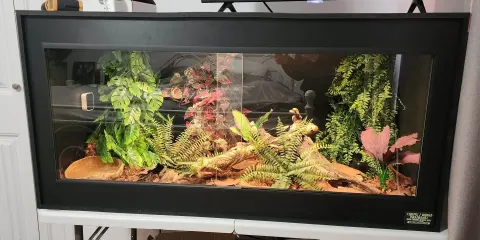
4' x 2' x 1' PVC Reptile Enclosure – Divided Multi-Compartment Models (2–5 Sections)
From $360.00
Made to order · 10 options
Cornel's World
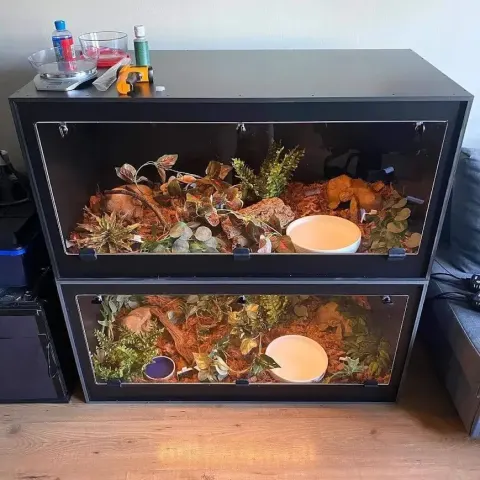
PVC Reptile Caging (4' x 2' x 2') Single Unit Model
From $424.00
Made to order · 8 options
Cornel's World
PVC Reptile Caging (3' x 2' x 2') Single Unit Model
From $370.00
Made to order · 8 options

Choose your PVC enclosure
Pick a size, then choose the litter dam, doors, and top that suit your reptile.