

Cornel's World
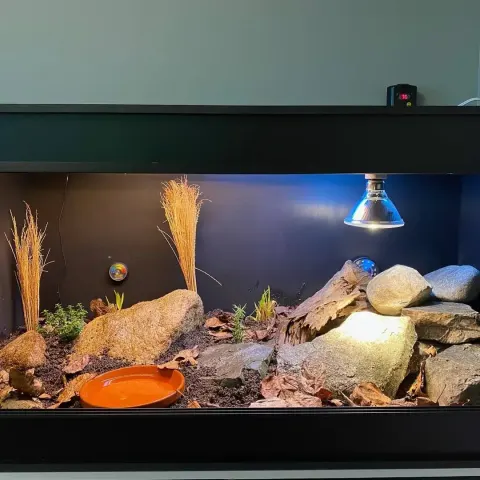
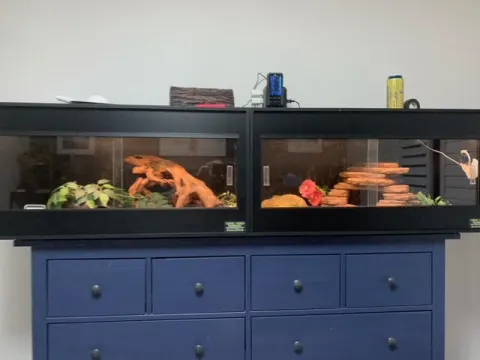
8' x 2' x 2' PVC Reptile Enclosure – Split or Full-Length PVC Cage
From $880.00
Made to order · 8 options
Built in Calgary since 2000 Shipping across Canada and the USA Free local pickup
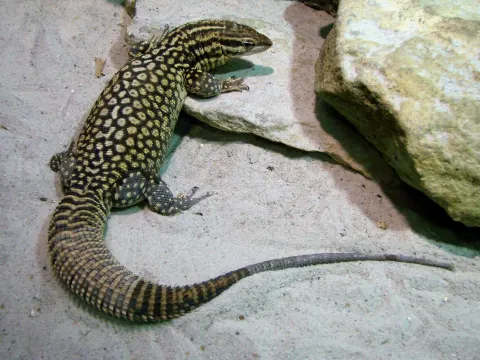
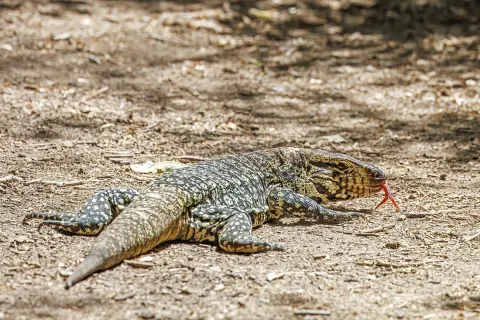
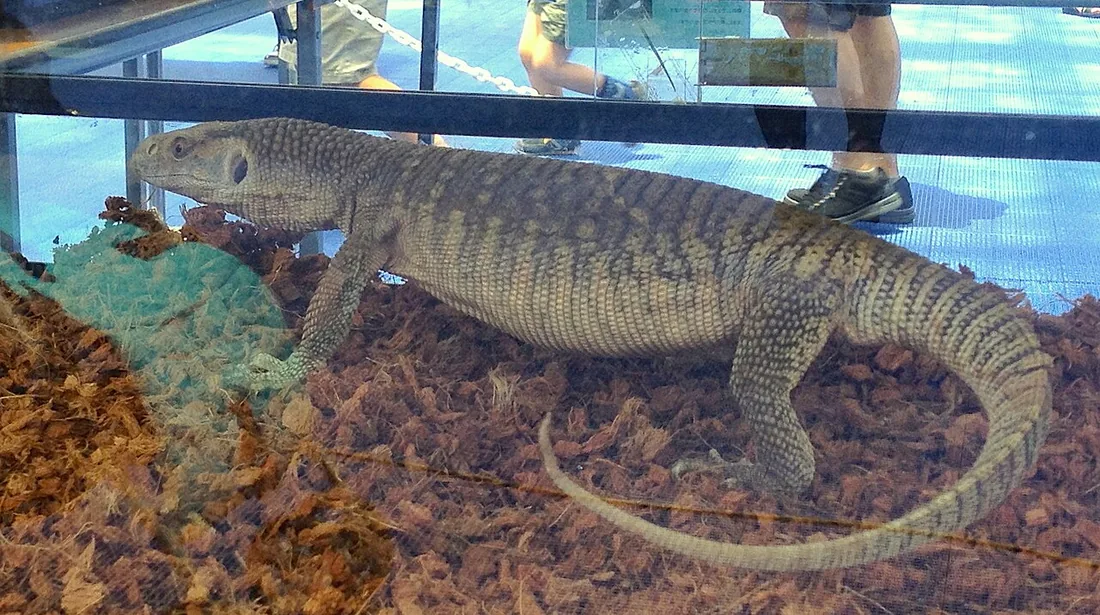
Large monitor and tegu
Varanus exanthematicus
Kept the same way as the ackie monitor and Argentine tegu, so they share one kit: the same heat, light, and humidity, sized to the animal.
Care sheet
We have taken these figures from published sources and are still checking them against our own experience. Treat them as a guide, and ask us before you buy.
Our reading of the literature, not veterinary advice. Animals vary, and so do rooms, so take these figures, and any setup the builder puts together, as a starting point, and ask a reptile vet about your own animal. Where the figures come from.
From the catalogue
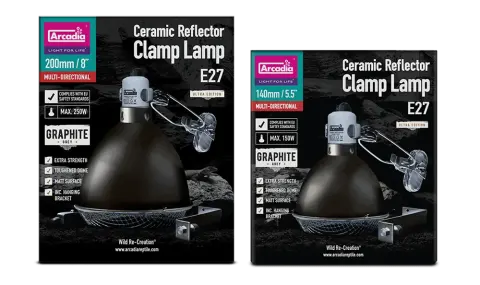
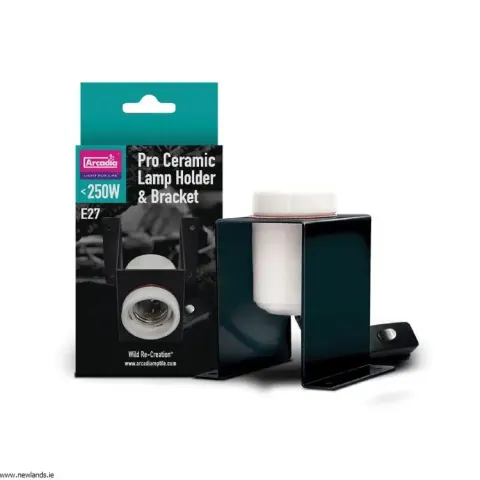
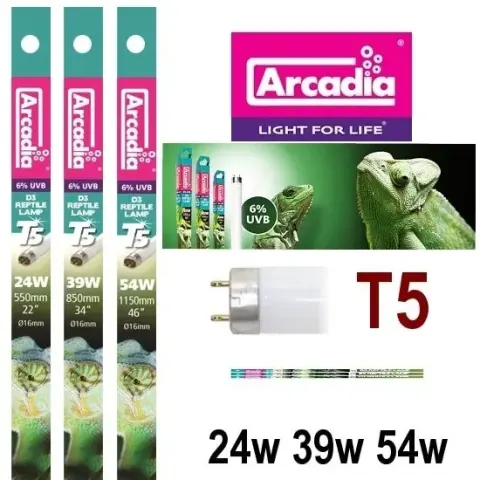
Chosen for large monitor and tegu. The setup builder puts the whole kit together, sized to the animal, with the reason for each piece.
Cornel's World
From $880.00
Made to order · 8 options
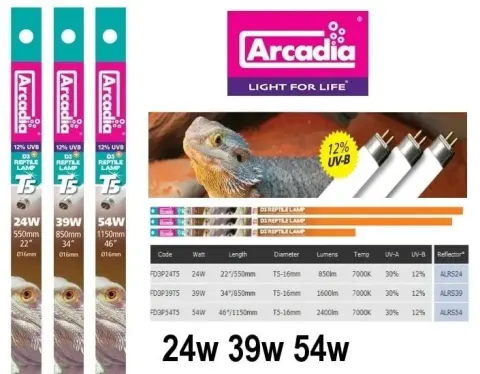
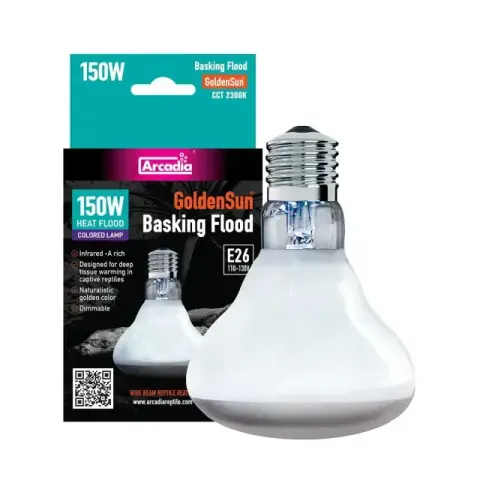
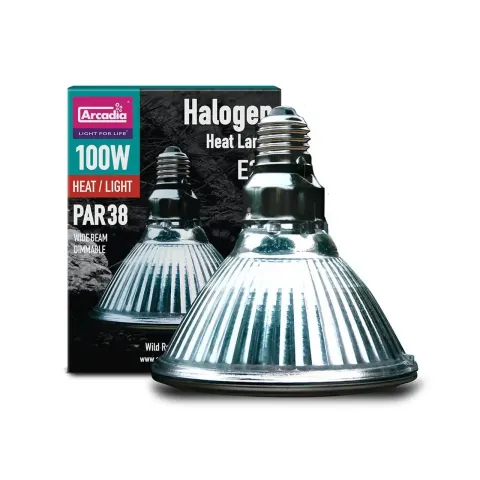
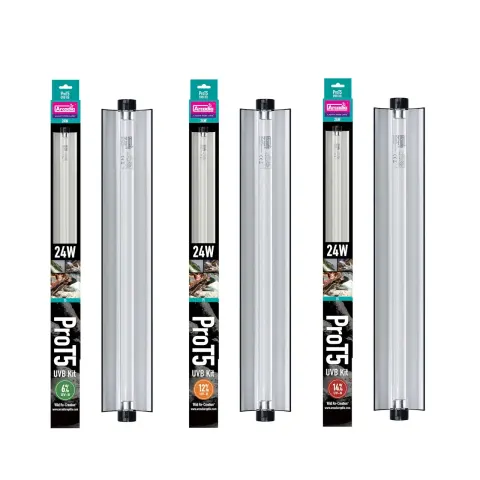
Same care group
Where it comes from
Mauritania, Senegal, Gambia, Guinea-Bissau, Guinea (Conakry), Sierra Leone, Liberia, Mali, Ivory Coast, Burkina Faso, Ghana, Togo, Benin, Niger, Nigeria, Chad, Cameroon, Central African Republic, Sudan (Jumhūriyyat), Republic of South Sudan (RSS), Ethiopia, Eritrea, Kenya, Uganda, N Democratic Republic of the Congo (Zaire), Zimbabwe USA (introduced to Florida)
Breeding: oviparous
Where the figures come from