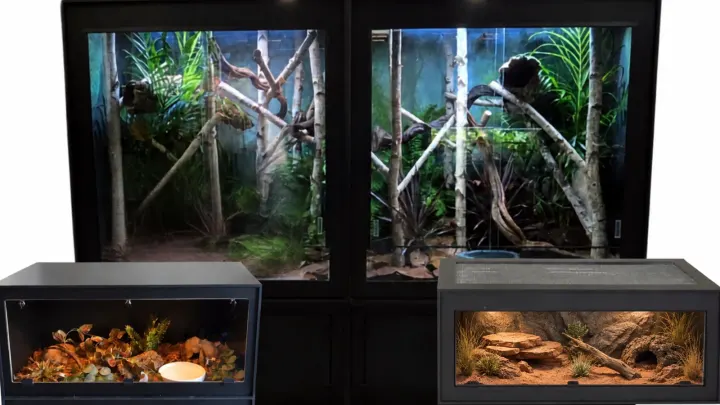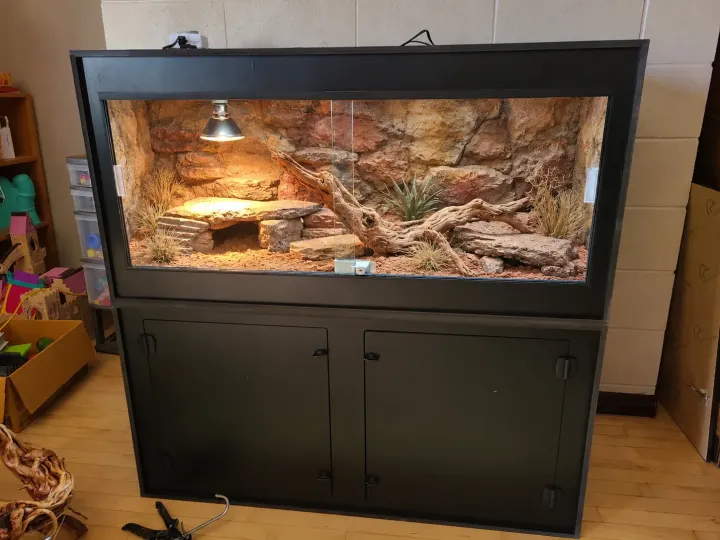
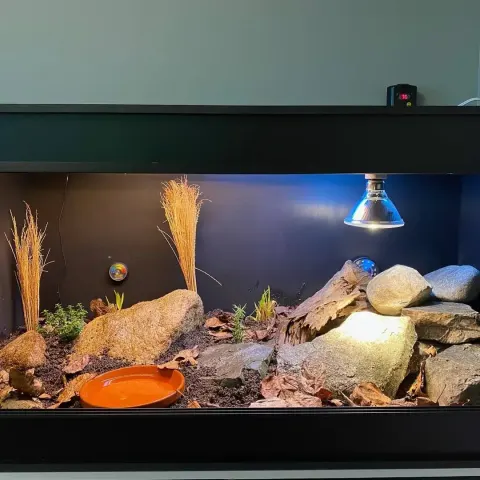
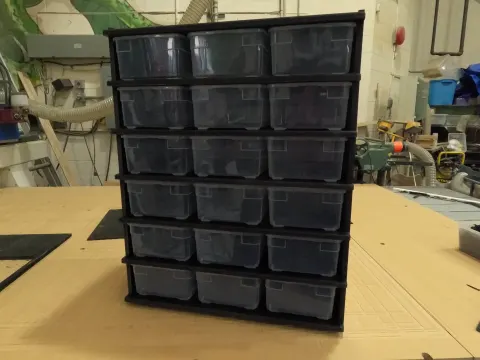



What is a ReptiRad heat panel?
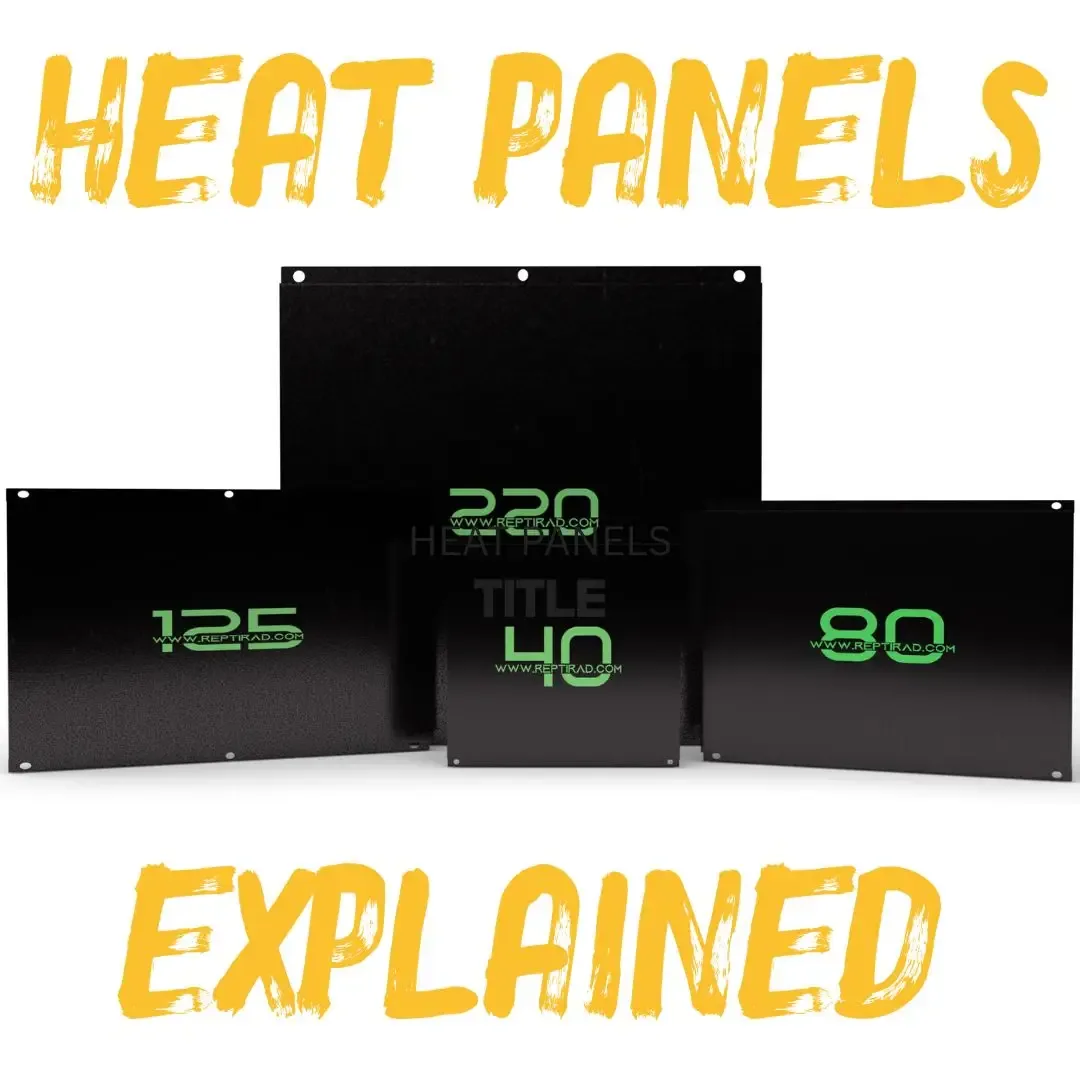
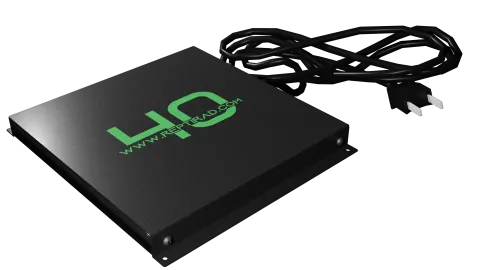
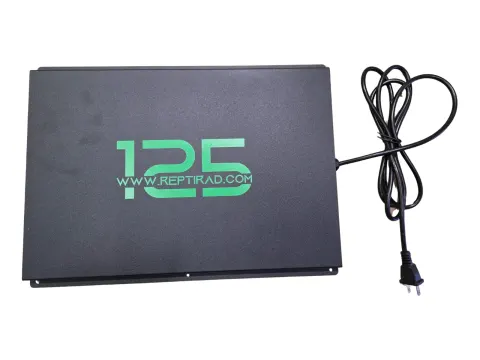
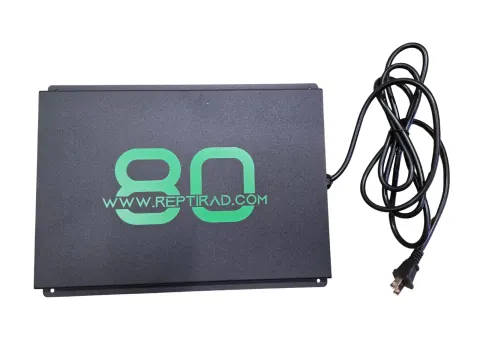
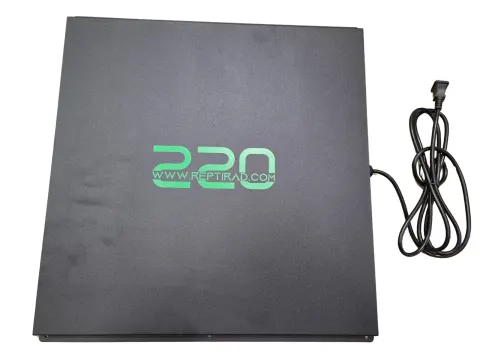
A radiant heat panel (RHP) is a slim, ceiling-mounted heater that produces infrared warmth without visible light. Instead of blasting heat into the air like many bulbs do, it radiates warmth toward the animal and the enclosure surfaces below, so the habitat warms more evenly and stays steadier through the day and night.
For the full lineup and specs, see ReptiRad heat panels, all radiant heat panels, or the ReptiRad site.
Quick takeaways
Silent and lightless: great for day and night heat without disturbing sleep cycles.
Even warmth: reduces the harsh hot spots common with small point-source heaters.
Use a thermostat: always run any primary heat source through a quality thermostat.
IR-C heat: panels mainly give off IR-C, which is excellent for ambient heating.
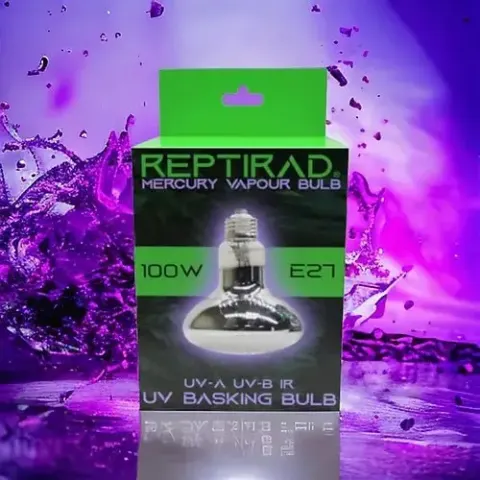
Not a basking lamp replacement: keep IR-A basking lamps for true basking lizards.
How they work
ReptiRad panels mount to the ceiling (or upper section) of the enclosure and produce a broad field of infrared warmth. Because the panel face is large compared to a bulb filament, heat spreads across a wider area, and the enclosure warms in a smoother gradient instead of one intense hot spot.
In practice, your reptile can choose where it feels best, warming up under the panel, then moving away to cool down, just like it would in nature. And because the heater gives off no visible light, you can keep the heat steady at night without adding brightness.
When to use one
A ReptiRad panel is often the right choice when you want stable, controlled heat, especially where you care about safety, consistency, and efficiency. Panels are a strong fit for:
Snakes and many geckos that thrive with a steady warm end and a clean thermal gradient.
Larger or taller enclosures where one small heater struggles to warm the habitat evenly.
Night heat, when you want warmth without visible light.
Humidity-friendly builds, where you want heat that doesn't aggressively dry the air.
Collections and multi-enclosure rooms, where efficiency and reliability matter day after day.
When not to use one
Heat panels are excellent at what they're designed to do, but they aren't the best tool for every job. A panel should not be your only heat source for:
High-intensity basking species that need a true sun-like basking zone.
Very small enclosures where clearance is limited and you need a tight, controlled hot spot.
Setups that need a blazing hot basking surface, like certain desert lizards.
Infrared matters: IR-A, IR-B, and IR-C
Even when two heaters hit the same temperature, they can feel different to your reptile. That's because heaters produce different infrared wavelengths, which change how the heat is absorbed.
IR-A (short-wave infrared)
IR-A comes mainly from halogen and incandescent basking bulbs. It penetrates deeper and is strongly linked with classic basking behaviour, which is why many sun-loving lizards depend on it to warm up efficiently.
IR-B (mid-wave infrared)
IR-B sits between IR-A and IR-C. It warms surfaces and shallow tissue and usually shows up in smaller amounts alongside basking heat sources.
IR-C (long-wave infrared)
IR-C is the heat you get from radiant heat panels, ceramic heat emitters, and heat tape. It's excellent for steady ambient warmth because it warms surfaces and enclosure air in a gentle, consistent way. ReptiRad heat panels mainly provide IR-C heat.
Pair heat with light for the best results. You can pair a ReptiRad panel with full spectrum and/or UVB lighting. Even for species that aren't heavy baskers, good lighting alongside stable heat can encourage more natural basking and positioning. Many reptiles are drawn to the light as well as the heat, so shyer animals may use the warm zone more confidently when it's paired with a light source.
ReptiRad vs bulbs, ceramic heat emitters, and heat tape
Choosing heat gets much easier when you compare the job each heater does best.
Heating method | Best at | Common drawbacks | Where ReptiRad fits |
|---|---|---|---|
Halogen and basking bulbs | Strong basking zones, IR-A output, a visible daytime cue | Can create harsh hot spots; burns are possible; bulbs wear out; adds light at night if misused | Use ReptiRad for background heat while bulbs provide the basking "sun" |
Ceramic heat emitters (CHE) | Lightless heat, decent for night heat | Point-source heat can be uneven; can run very hot; often needs guards; can dry the air | ReptiRad spreads IR-C over a wider area for smoother, more even warmth |
Heat tape and heat cable | Rack systems; targeted belly heat when designed correctly | Can be patchy; limited for ambient heating; needs a careful install; can overheat if uncontrolled | ReptiRad excels when you need overhead ambient heat instead of localized strip heat |
ReptiRad heat panel | Stable ambient heat, wide coverage, lightless day and night warmth | Not a focused basking hot spot; needs proper mounting and a thermostat | Primary ambient heater for many reptiles, and a perfect partner to IR-A basking lamps |
A note on efficiency: ReptiRad panels are designed to cut wasted heat by pushing warmth down into the enclosure. In many builds, that means you can hold target temperatures with less overall power than running high-watt point-source heat alone.
Setup tips that keep things safe and consistent
Mount overhead so heat radiates down into the habitat.
Use a proportional thermostat. This isn't optional for primary heat sources.
Place the probe correctly, usually near the warm zone where the animal actually feels the heat.
Measure with a backup tool like an infrared temperature gun and a second digital probe.
Create a true gradient: warm end, cool end, and hides on both sides.
Keep basking sites away from the panel. Too close, and the animal could flex and hold itself against the panel, causing burns.
Consider pairing with lighting (full spectrum and/or UVB) to encourage natural behaviour, even for shyer reptiles.
Common questions
Do I need a thermostat with a ReptiRad heat panel?
Yes. Always run a heat panel through a quality proportional thermostat. It keeps temperatures stable, protects your animal, and prevents overheating if the room temperature changes. On/off thermostats are hard on heating elements and can shorten their life. Your thermostat is one of the most important pieces of equipment, so don't cheap out on it.
Can I use ReptiRad in humid enclosures?
In most cases, yes. Radiant panels are commonly used in humidity-friendly builds. Still, always follow the manufacturer's guidance, mount the panel properly, and keep electrical connections protected.
Can I replace my basking bulb with a heat panel?
For strong basking lizards, no. Heat panels mainly produce IR-C, which is great for ambient heat. If your species relies on IR-A basking, keep a proper basking lamp and use the panel as background heat.
Are heat panels better than ceramic heat emitters?
They're different tools. CHEs are point-source heaters, so they can create sharper hot spots and often need guards. ReptiRad panels spread heat over a larger area, which many keepers prefer for smoother gradients and steadier ambient temperatures.
Bottom line
ReptiRad heat panels are a smart, modern way to build stable, safe, and efficient enclosure heat, especially in PVC setups. The best results usually come from layered heating: a ReptiRad panel for steady IR-C ambient warmth, and a proper basking lamp when your species needs IR-A.
If you are heating a snake enclosure, a radiant heat panel can often be the only heat source, with a thermostat and safe clearances. Read more about ReptiRad panels.
ReptiRad heat panels
Not sure which panel size?
Send us your enclosure dimensions, room temperature, and target warm-side temperatures, and we'll point you in the right direction.