

Cornel's World
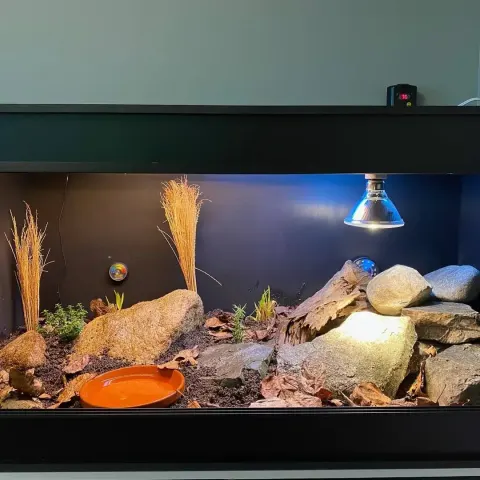
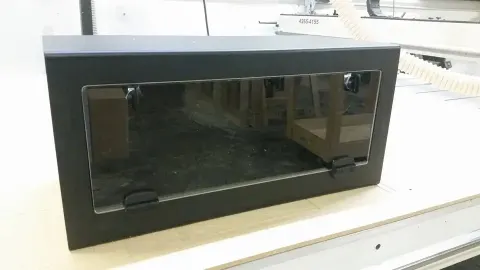
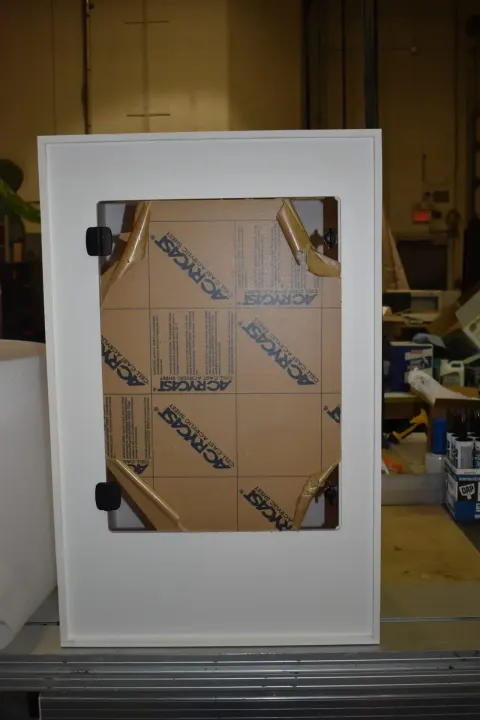
2' x 1' x 1' PVC Reptile Enclosure – Compact PVC Terrarium (23" x 12" x 12")
From $144.00
Made to order · 2 options
Built in Calgary since 2000 Shipping across Canada and the USA Free local pickup
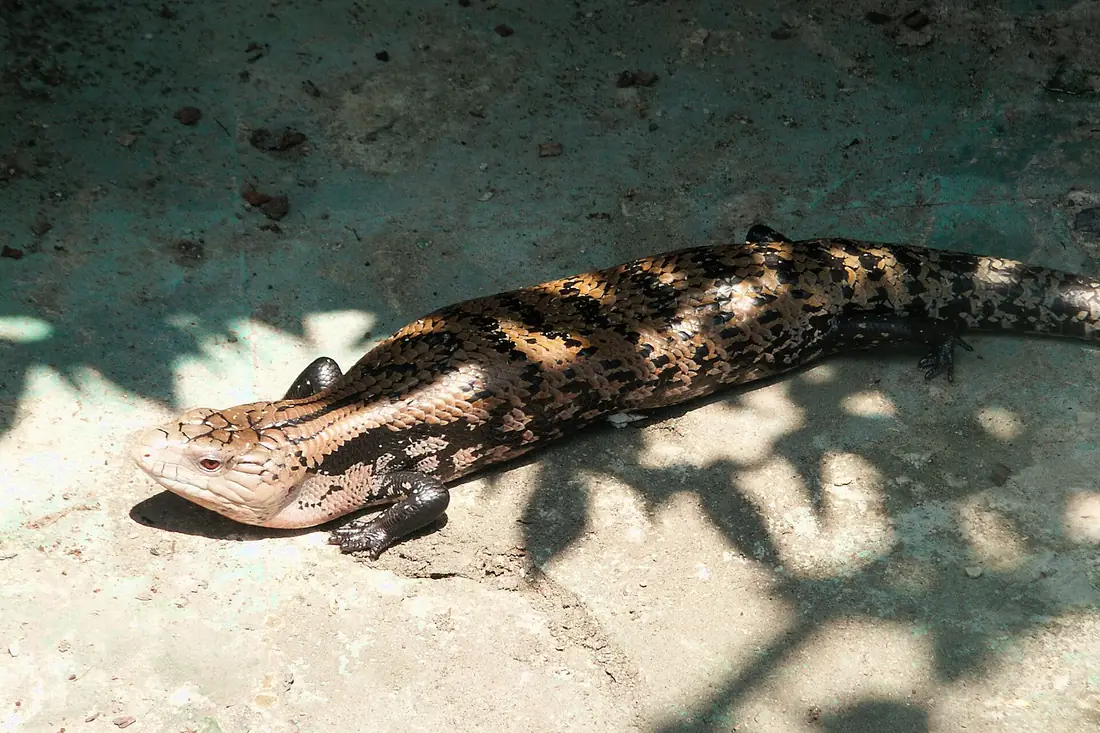
Tropical terrestrial lizard
Tiliqua gigas
A large, ground-dwelling lizard from Indonesia and New Guinea, known for its blue tongue, sturdy build and curious nature. It needs more humidity than its Australian cousins.
We are still putting together the setup for an Indonesian blue tongue skink. Ask us and we will help you choose, or start with the gear below.
Care sheet
We have taken these figures from published sources and are still checking them against our own experience. Treat them as a guide, and ask us before you buy.
Our reading of the literature, not veterinary advice. Animals vary, and so do rooms, so take these figures, and any setup the builder puts together, as a starting point, and ask a reptile vet about your own animal. Where the figures come from.
From the catalogue
Matched to its size and care by the catalogue, not yet checked by us. Ask before you buy.
Cornel's World
From $144.00
Made to order · 2 options
Cornel's World
From $405.00
Made to order · 4 options
Where it comes from
Indonesia and New Guinea, including the Moluccas, Kei Islands and southern New Guinea
Breeding: Ovoviviparous
Where the figures come from